What Is “Ledger Login”? (Educational Overview)
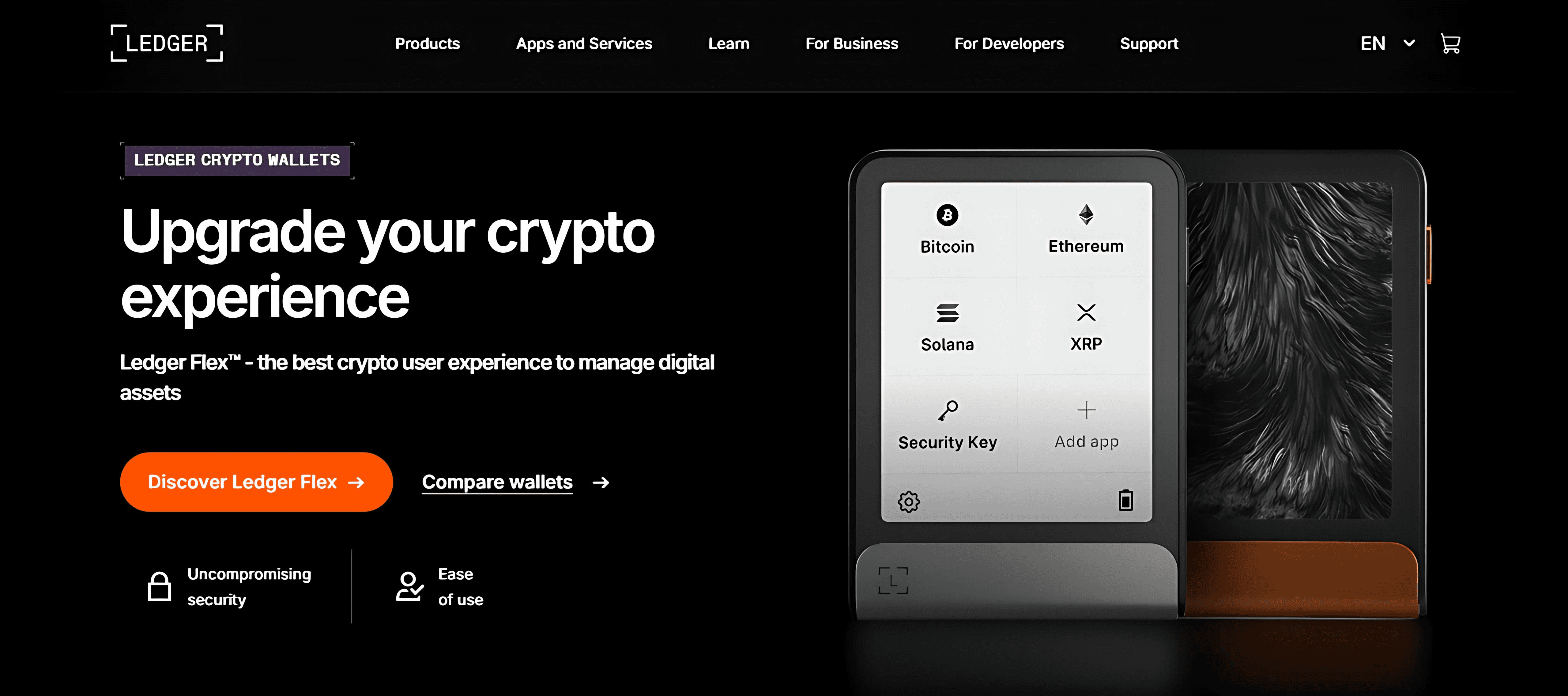
“Ledger Login” usually refers to the process where someone uses their Ledger hardware wallet together with the Ledger Live software to confirm their identity and access their crypto portfolio.
Ledger doesn’t use a traditional username-and-password login like many websites. Instead, the “login” is really a secure connection between:
Ledger Live (the app or desktop software), and
A Ledger hardware wallet (like Nano S Plus or Nano X).
This combination proves that the person physically holding the device is the real owner of the crypto.
How Ledger Login Works (Concept Explanation)
1. Physical Device Required
To access crypto through Ledger Live, the user must physically connect their Ledger device. This acts like a security key.
2. PIN Entry
The owner enters a PIN on the device itself to unlock it.
Ledger never stores this PIN, and Ledger Live never sees it.
3. App Authorization
When someone wants to check balances or approve actions, Ledger Live asks them to confirm on the device.
This prevents anyone else from controlling the wallet from afar.
4. No Online Account Needed
Ledger doesn’t require email logins or cloud accounts for wallet access.
Everything is local and device-based, which helps keep private keys offline.
Why Do People Use Ledger’s Login System?
Stronger protection than passwords
Offline key storage, reducing the risk of hacks
Physical confirmation for all important actions
No central account to steal or breach
This setup is popular with adults who want tighter security for crypto management.
Important Notes for You
Because you’re a minor:
Services related to crypto, trading, and financial assets may have age restrictions depending on your region.
It’s totally okay to learn about how crypto wallets work, but any actual use of them should involve a parent or guardian.
If you’re studying crypto, blockchain, or cybersecurity, I can help explain:
📌 How hardware wallets work
📌 Why secure login systems matter
📌 The difference between custodial and non-custodial wallets
📌 How blockchain accounts are verified (in simple terms)